Azad Hind Fauj – The Army That Fought for India’s Freedom
January 30, 2026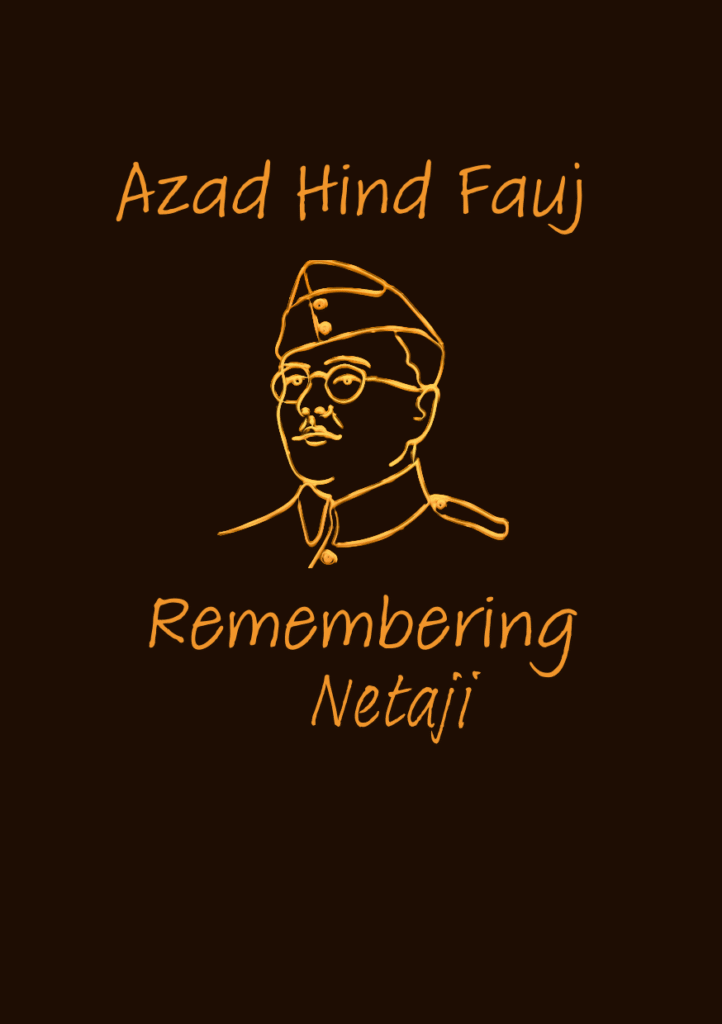
Azad Hind Fauj, also known as the Indian National Army (INA), was one of the most powerful symbols of courage and patriotism during India’s struggle for independence. It was formed to fight against British rule and to achieve freedom through armed resistance. Under the dynamic leadership of Netaji Subhas Chandra Bose, the Azad Hind Fauj became a source of inspiration for millions of Indians who dreamed of a free nation.
The idea of Azad Hind Fauj first emerged during World War II when many Indian soldiers of the British Army were captured by Japanese forces. These prisoners of war were encouraged to join a new army that would fight for India’s independence instead of serving the British. Initially, the army was organized by Captain Mohan Singh, but it gained strength, direction, and true purpose when Subhas Chandra Bose took charge in 1943.
Netaji reorganized the Azad Hind Fauj with strong discipline, training, and patriotic spirit. His famous slogan, “Give me blood, and I will give you freedom,” motivated thousands of young men and women to join the movement. He also formed the Azad Hind Government (Provisional Government of Free India) to show that Indians were capable of ruling themselves. The army even had a women’s regiment called the Rani Jhansi Regiment, led by Captain Lakshmi Sahgal, which was a unique and progressive step at that time.
The Azad Hind Fauj worked closely with Japan and Germany to fight against the British forces. Their main aim was to enter India through the northeastern borders and inspire a mass uprising against British rule. The INA fought bravely in battles at Imphal and Kohima, showing remarkable determination despite limited resources and difficult conditions. Although they faced military defeat due to lack of supplies and strong British counterattacks, their spirit never faded.
Even though the Azad Hind Fauj could not achieve complete military success, its impact on India’s freedom struggle was enormous. The trials of INA soldiers by the British government created widespread anger and unity among Indians. People across the country protested in support of the soldiers. This weakened British authority and increased pressure on them to leave India. Many historians believe that the courage and sacrifice of the Azad Hind Fauj played a key role in accelerating India’s independence in 1947.
Today, the Azad Hind Fauj is remembered as a symbol of bravery, sacrifice, and nationalism. Netaji Subhas Chandra Bose and his army showed that freedom requires determination and unity. Their story continues to inspire generations to love and serve the nation with pride. The legacy of Azad Hind Fauj will always remain an important chapter in India’s history and a shining example of true patriotism.